Arcachon Bay. Home to Europe’s tallest sand dune, an extensive oyster farming network, protected wetlands featuring over 300 species of wild birds, and, for a week in October 2026, the REBORN consortium and Associated Organisations.
Once an area rich in seagrass, large areas have disappeared or become fragmented, weakening habitats and reducing the resilience of the wider ecosystem. As a project pilot site, REBORN is trying to stop this decline and restore seagrass to the Bassin D’Arcachon for good.
As partners arrived from across France, Belgium, Ireland, the Netherlands and Germany for the second REBORN partner meeting, it was difficult not to reflect on what has been a challenging and upsetting period for the local area. This summer, catastrophic wildfires destroyed thousands of hectares of land around the Bay of Arcachon, causing lasting damage to natural ecosystems in the area and resulting in the mass evacuation of local people. While keeping nearby residents and wildlife in our thoughts, there was a sense of optimism and enthusiasm in the air as REBORN partners came together as one for the first time since our first partner meeting in Schiermonnikoog earlier this year.
Activities throughout the week were hosted and organised by our project partners from the Office Français de la Biodiversité (OFB), the organisation responsible for the preservation and management of the Parc naturel marin du Bassin d’Arcachon (PNMBA), a marine protected area abound with oysters, seagrass meadows and saltmarshes.
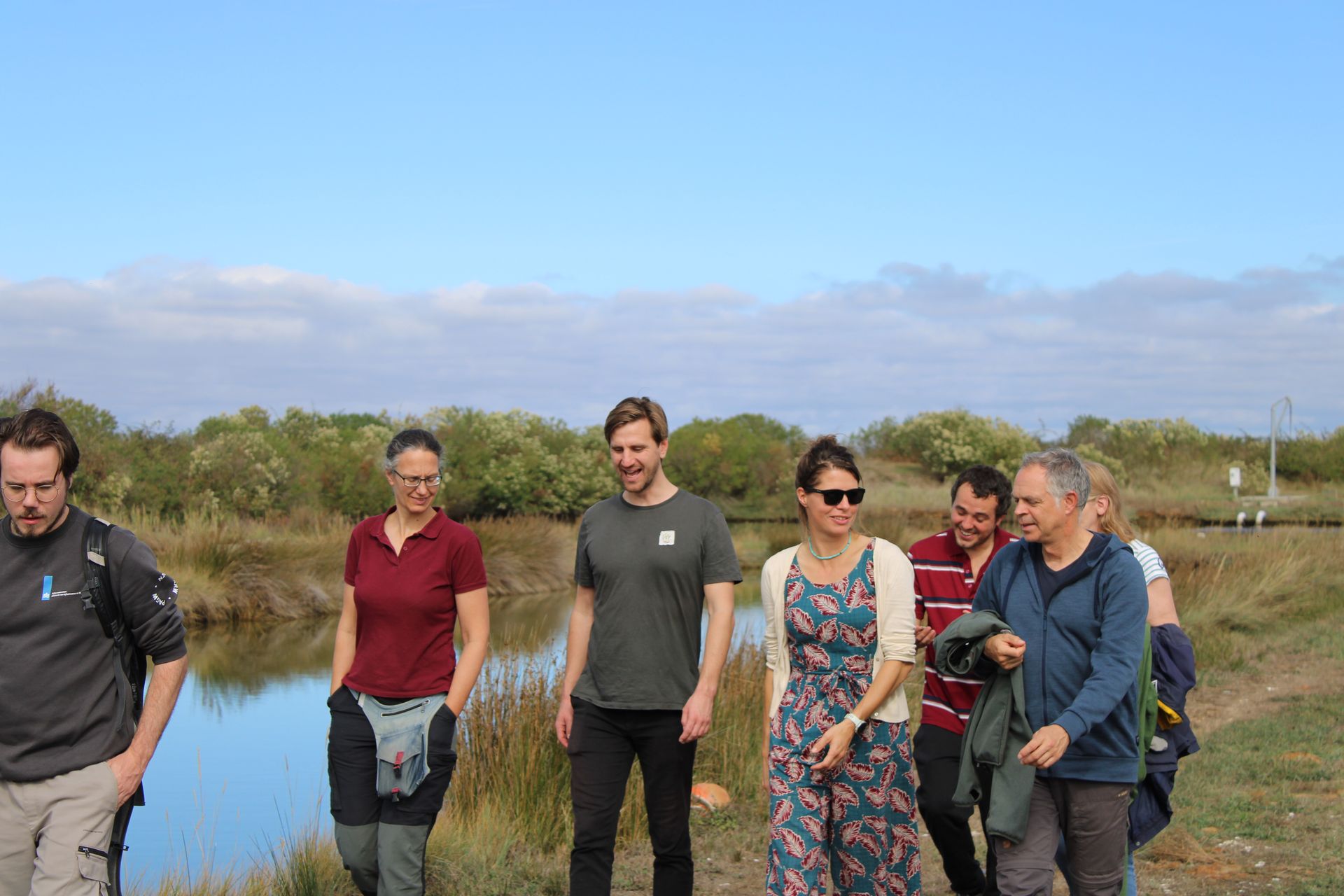
Day 1 began with a group walk and cycle to our location for the day, Lycée de la Mer, a local school with a scenic view of the Bassin d’Arcachon offering specialised training in maritime trades, aquaculture and ocean-related technologies. A very suitable setting for a packed agenda!
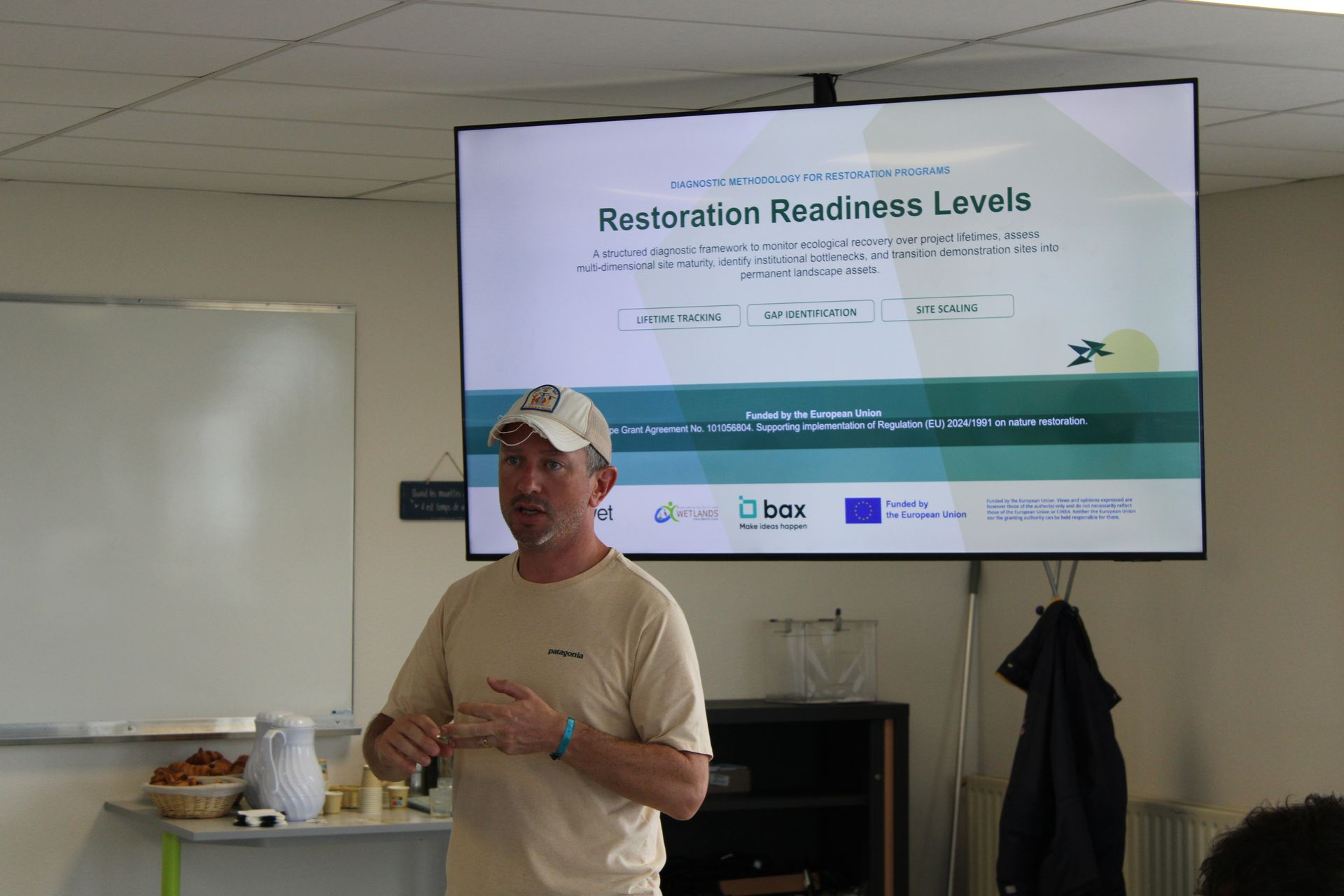
The meeting was opened by RJ Lilley from lead partner Rijksuniversiteit Groningen, who emphasised the importance of collaboration, communication, visibility and reiterated our thanks to our hosts. RJ’s opening address set the tone for what promised to be an engaging and fruitful meeting, with partners looking forward to several insightful presentations and joint sessions.
Throughout the week, we were delighted to be joined by four of our REBORN Associated Organisations. The opportunity for exchanges throughout the meeting was mutually beneficial. We understand that effective seagrass restoration in Europe will take widespread collaboration and partnerships, and our Associated Organisations play an important role in the REBORN approach, sharing feedback on our activities and inspiring us with their own diverse experiences.
- Firstly, Richard Unsworth presented Project Seagrass, the only charity dedicated to advancing the conservation of seagrass through education, influence, research and action. Following an introduction to Project Seagrass and explanation of ongoing activities, Dr Unsworth shared some of the available tools and resources for tracking seagrass across the world and charting restoration activities. Explore the tools at https://seagrass.tools/
- Secondly, Rune Steinfurth from the University of Southern Denmark provided an overview of the University’s research areas and recent and ongoing approaches. Among others, Rune presented the Sund Vejle Fjord Project, Denmark’s largest multihabitat marine restoration project, with over 100,000 eelgrass shoots planted across 4 to 6 hectares.
- Next, Xania Solomonsen from the Nationalpark Wadden Sea Denmark shared the scope and objectives of the government-run organisation, including activities such as eelgrass restoration and test transplanting in the Wadden Sea among many others in line with UN priorities.
- Finally, Maike Paul from Leibniz University Hannover showcased the University’s involvement in two projects related to seagrass in the Baltic Sea and outlined a plan for seagrass restoration currently in development.
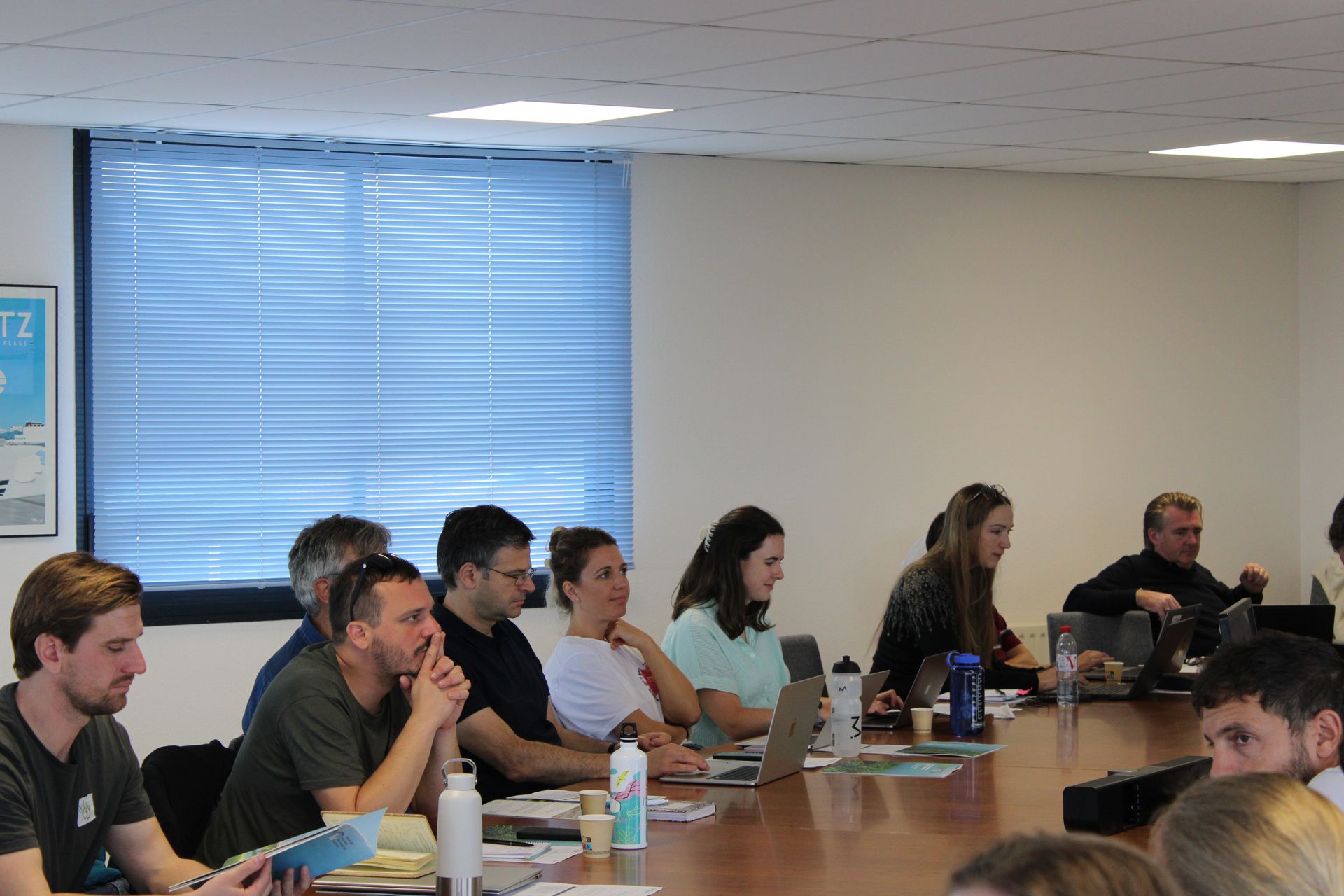
Each AO representative shared their ambition for the REBORN project, outlining their support and hope for the initiative and highlighting opportunities for continued collaboration. Again, we are extremely thankful for each of them for taking the time to join us in Arcachon and for their support of the REBORN project!
As well as our Associated Organisations, we were delighted to welcome our Interreg North-West Europe Joint Secretariat Project Officer Eva Clymans to the meeting. It was fantastic to have Eva present, and her attendance provided partners an opportunity to share important updates and information about REBORN while gaining a clearer understanding of Interreg processes and expectations. Eva used her slot in the agenda to underline her support for the project, emphasise the importance of clear communication, and highlight the value of cooperation between projects. Many thanks to Eva for joining us and her ongoing support of our project!
Following this series of insightful AO presentations, we moved on to the first interactive session of the day, a workshop focused on co-designing the REBORN Restoration Model.
The workshop utilised the Restoration Readiness Levels concept, a structured diagnostic framework to monitor ecological recovery over project lifetimes, assess multi-dimensional site maturity, identify institutional bottlenecks, and transition demonstration sites into permanent landscape assets. Comprising five dimensions of readiness: Ecological; Social; Policy, Permitting & Governance; Business & Financial; Techniques, Monitoring & Data, REBORN partners had the opportunity to provide feedback on the model before putting it to the test for each REBORN pilot location.
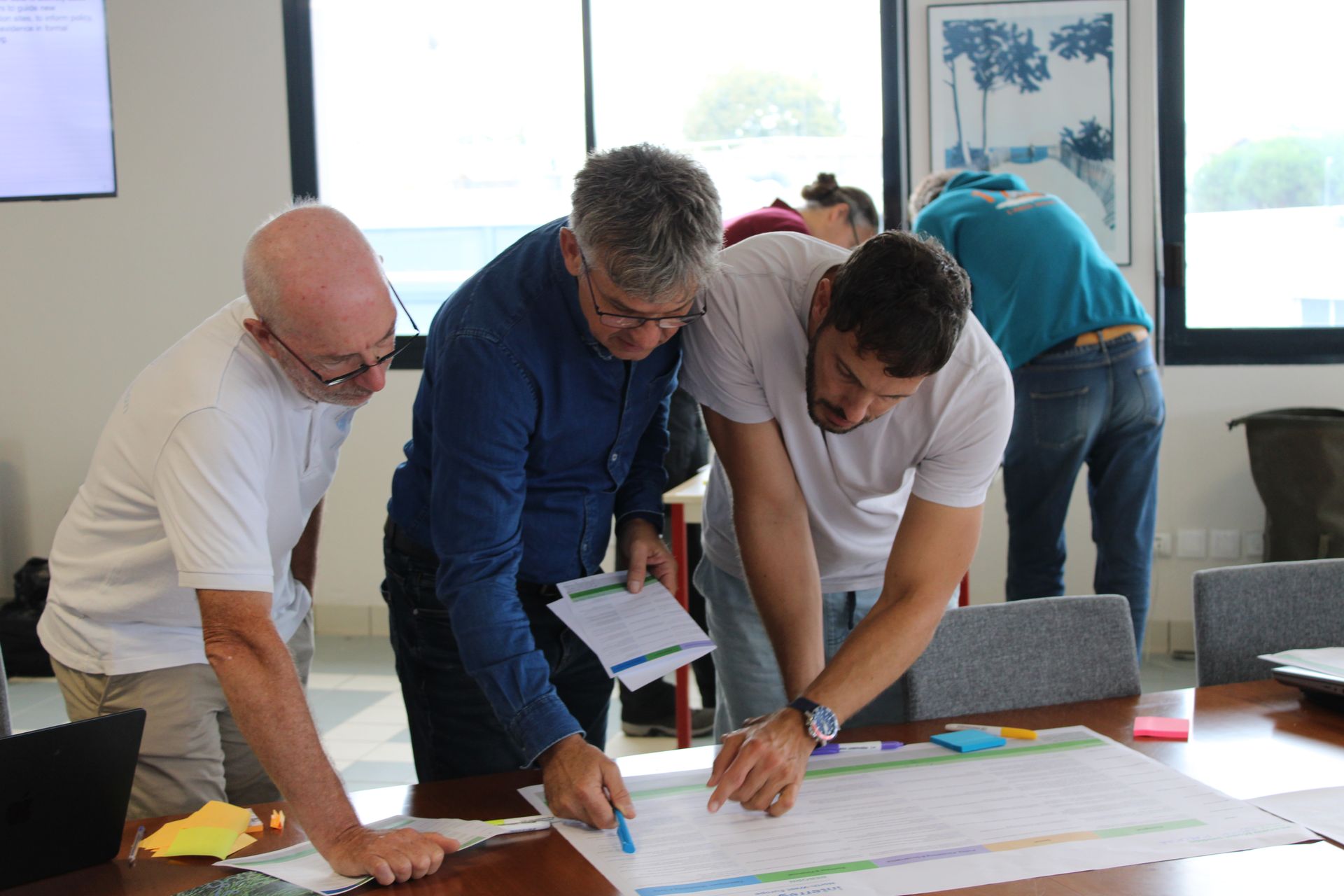
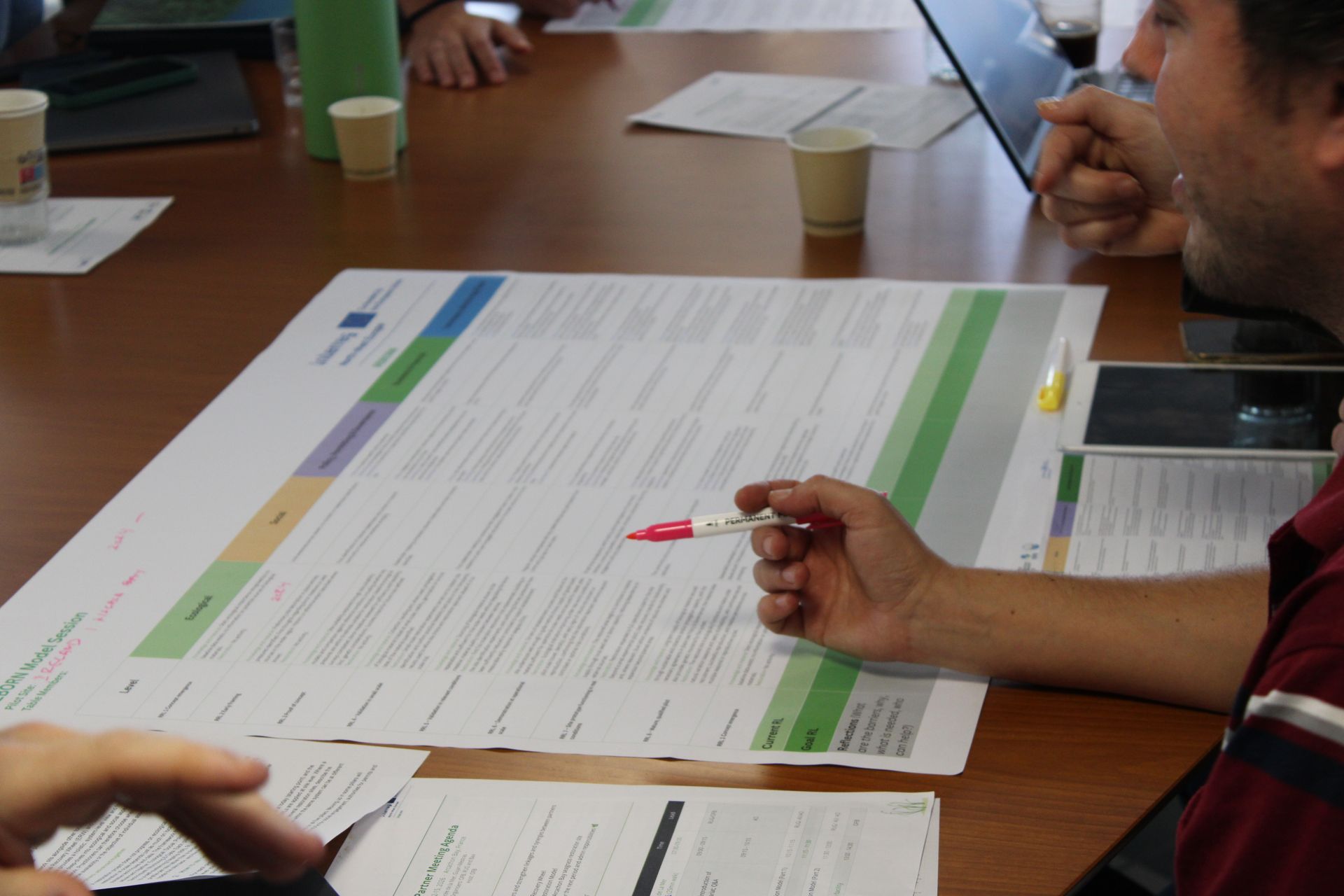
Splitting into groups representing each location, partners benefitted from peer-to-peer exchange during an interactive workshop during which the readiness levels assessment was conducted for each pilot site. With the room filled with interesting and thought-provoking exchanges, there was also time for a detailed round of feedback from each pilot site, and a baseline comparison of how each REBORN location measures in terms of readiness.
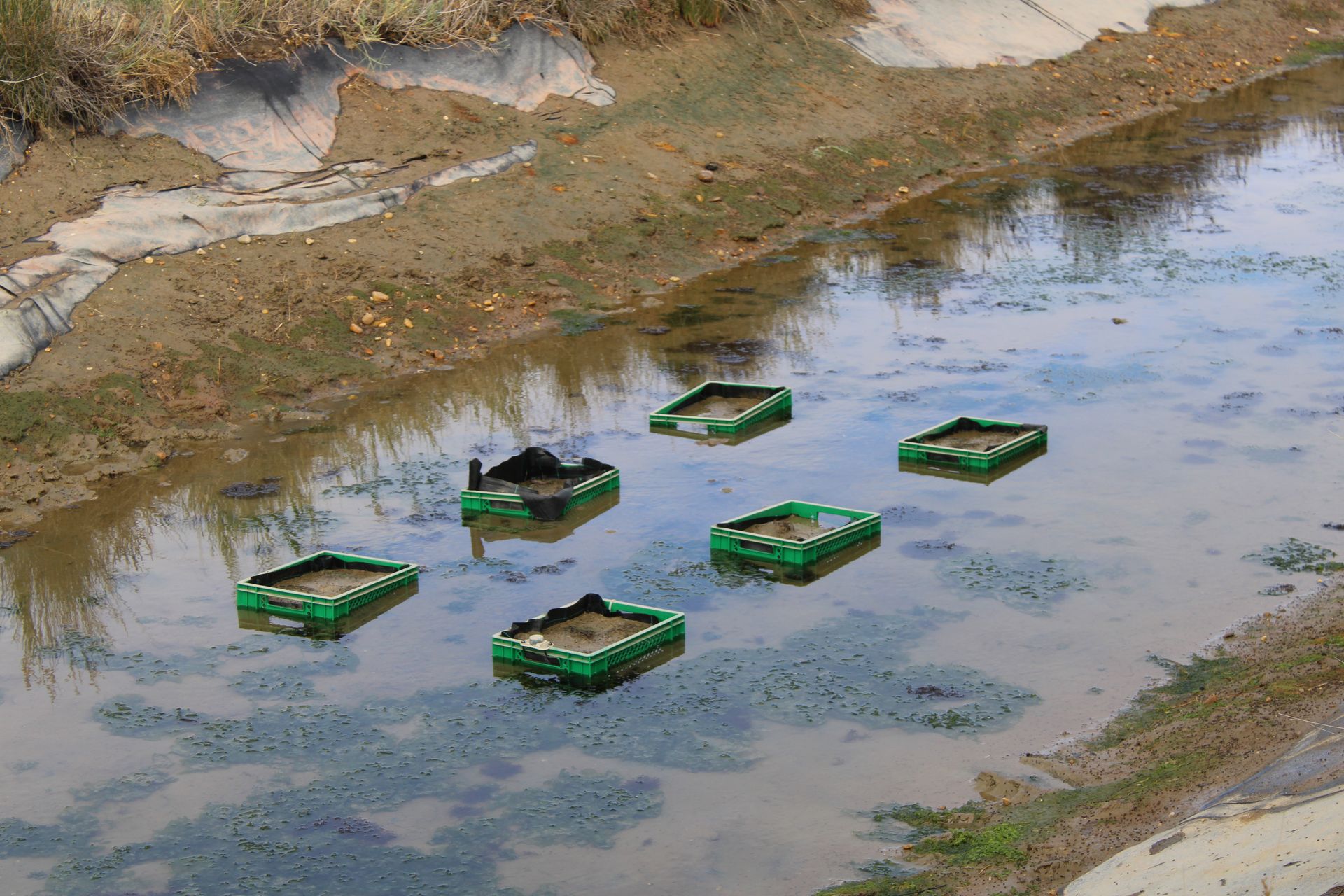
The PNMBA utilises the school’s local aquaculture facilities to run experimental seagrass nurseries, so after a quick lunch we were able to take a very interesting visit to the facility, with an explanatory talk given by Florine Verhaeghe of OFB.
Next on the agenda was a Communications workshop, another opportunity for exchanges and sharing experiences and strategies between partners.
After a brief update on current project performance, partners were split into groups and assigned a key REBORN output. They then had to discuss the key target audiences for each output and suggest strategies to facilitate the successful uptake of each resource when ready. This session led into an engaging session on stakeholders in each partner country, with AOs supporting the workshop by identifying methods and activities to reach key stakeholders at a European level.
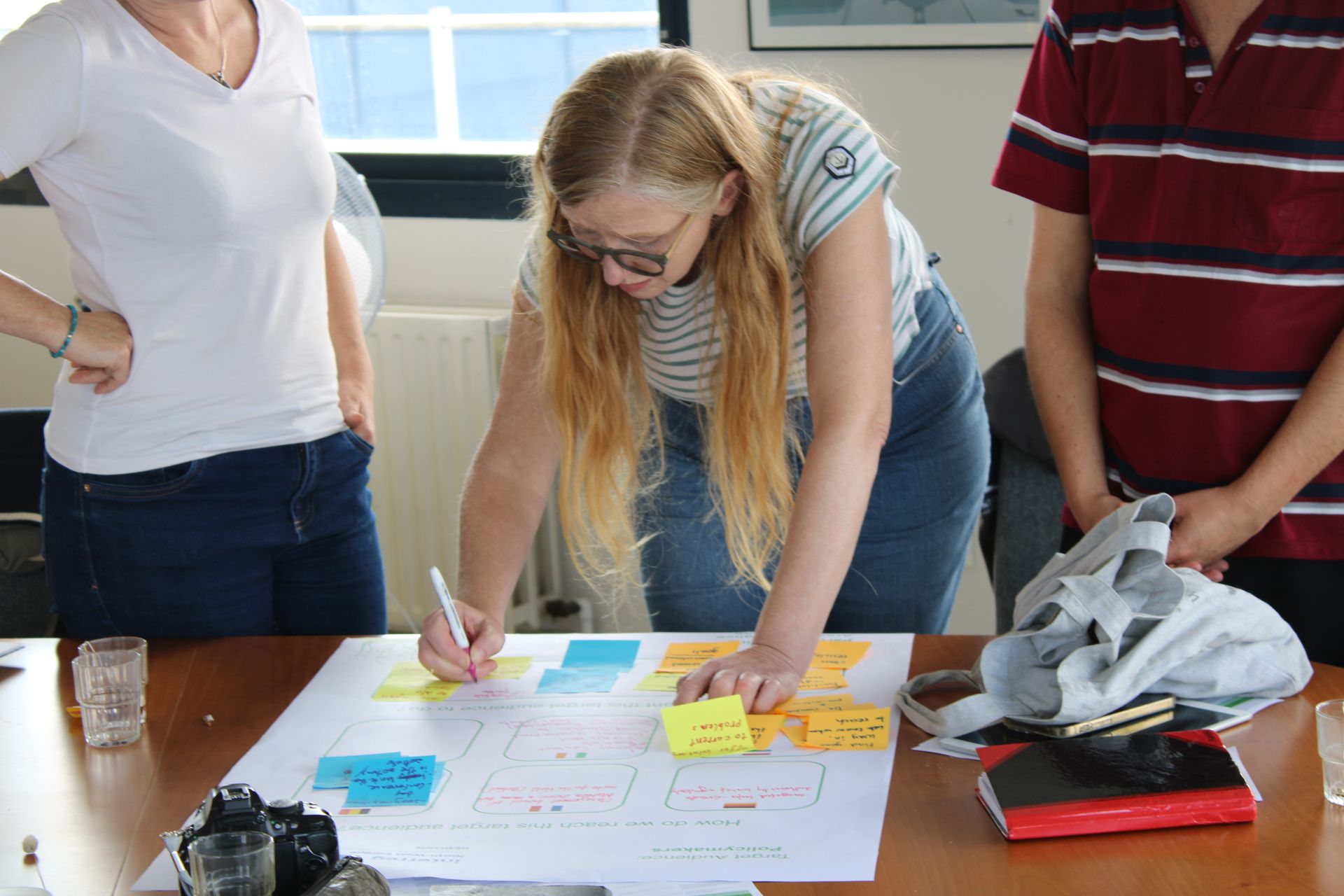
The outcomes and findings from the workshop were recorded and will be used to further develop the REBORN Communications Strategy, developed earlier this year. With a strong emphasis placed on the importance of communications within our project, it was encouraging to see high levels of engagement throughout the communications workshop, with partners and AOs participating actively and providing innovative contributions throughout.
To round off the Day 1 agenda, we enjoyed presentations on remote sensing and monitoring activities from project partners Nantes University and Alfred Wegener Institute Helmholtz Centre for Polar and Marine Research (AWI). This summer, the Nantes University team undertook a summer drone tour of REBORN seagrass restoration sites, with interesting results and observations shared by Laurent Barillé. Meanwhile, Tobias Dolch from AWI shared insights comparing approaches to seagrass monitoring in the Schleswig-Holstein Wadden Sea.
After a busy yet rewarding first day, partners came together in the week’s accommodation, the Ker Helen campsite for a shared meal. The resort prides itself on conviviality, simplicity and respect for the environment, providing a perfect base for our activities throughout the week.
Day 2 began with a hearty breakfast at the campsite, followed by an introduction to SER Europe and the International Principles and Standards for the Practice of Ecological Restoration, a vital guide offering globally informed best practices for effective ecological restoration with a focus on the recovery of native ecosystems from Boris Barov. This introduction was followed by a training session on the SER Europe Ecological Recovery Wheel led by Philine zu Ermgassen, which perfectly complemented our session on the REBORN Restoration Model the previous day. These complementary approaches will help to inform the project’s work to develop a practical framework for ecological restoration, with the first blueprint of the REBORN Restoration Model expected in early 2027.
The afternoon was reserved for a hands-on seagrass restoration activity led by the local OFB team. Partners took to the water in a fleet of boats, taking in the stunning surroundings of Arcachon Bay and the picturesque town itself. As the sun emerged, we donned suncream, hats, and specially designed shoes for traversing the low-tide mudflats.
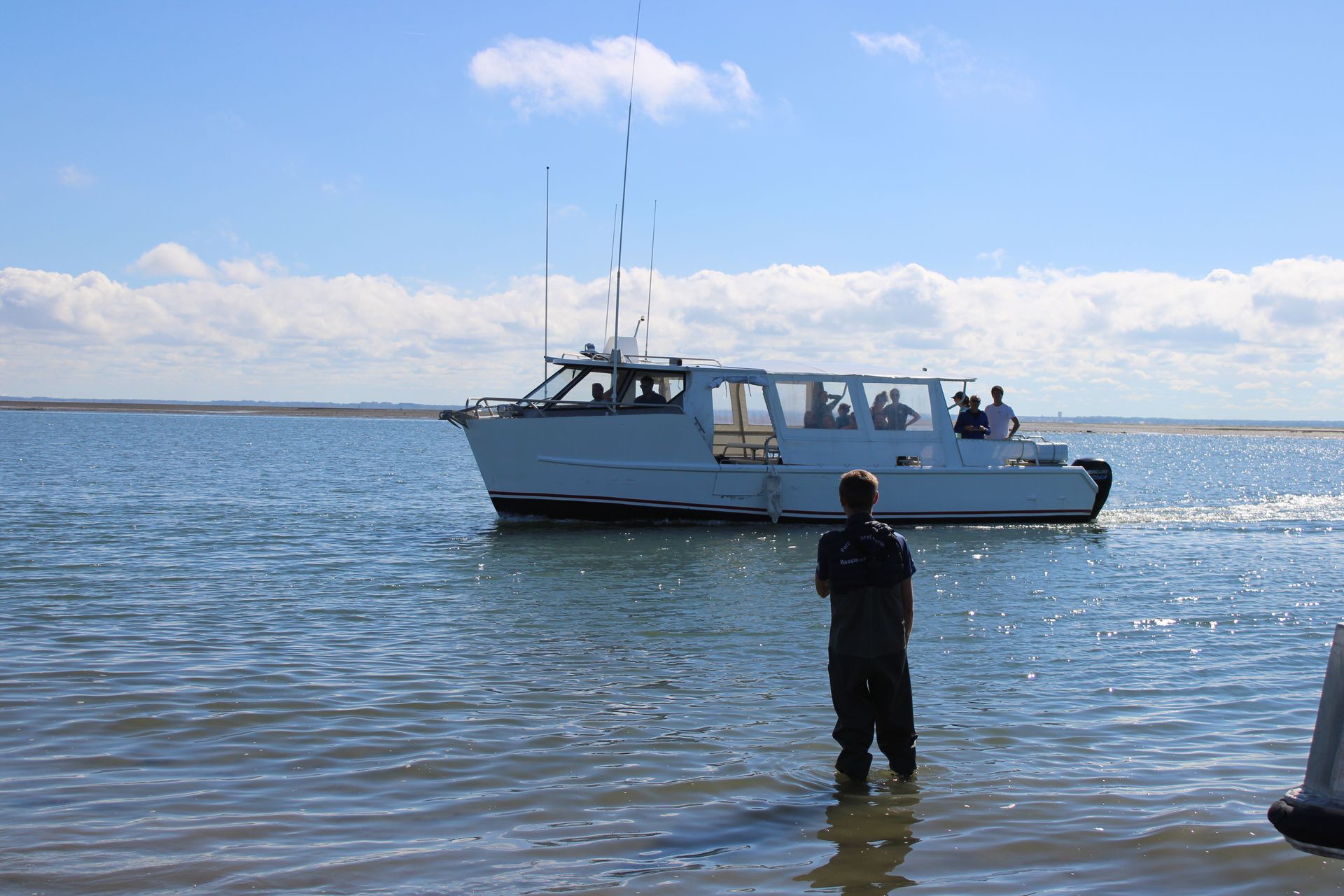
During the fieldwork, partners planted 300 sods of Zostera noltii, adding to the 400 pods planted at the same site earlier in the year. The area was the focus of a 2025 study investigating the factors that support seagrass recolonisation. By applying the same transplantation method at two different times of year, the local team is creating new recolonisation areas of 700 sods and comparing seasonal plantings.
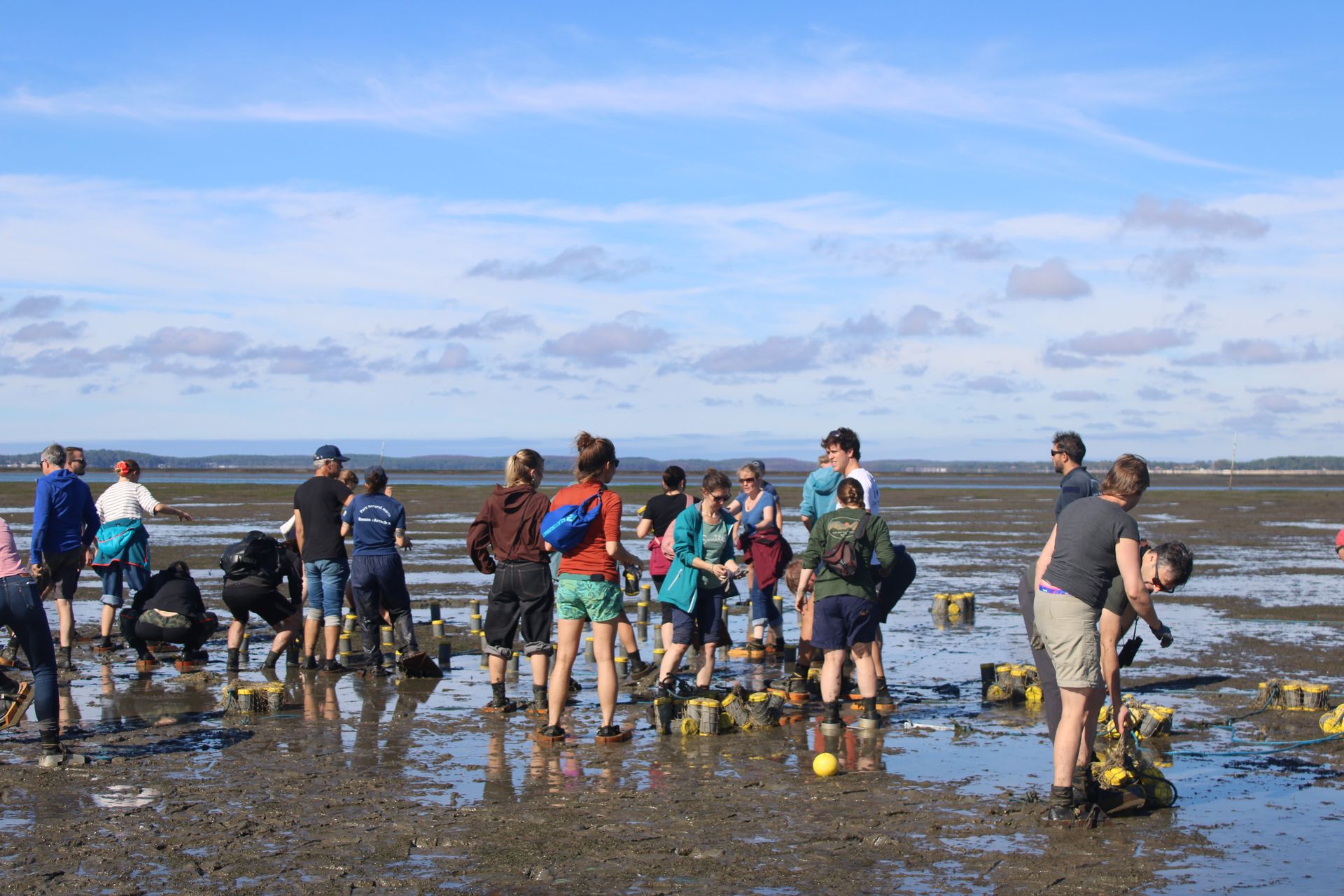
The field visit also provided a valuable opportunity for operational knowledge exchange between the Arcachon pilot site and REBORN's other pilot locations in the Netherlands, Germany, Ireland and Belgium. Discussions covered practical restoration techniques, site-specific experiences and observations that will feed into the partners' planning for restoration activities in 2027.
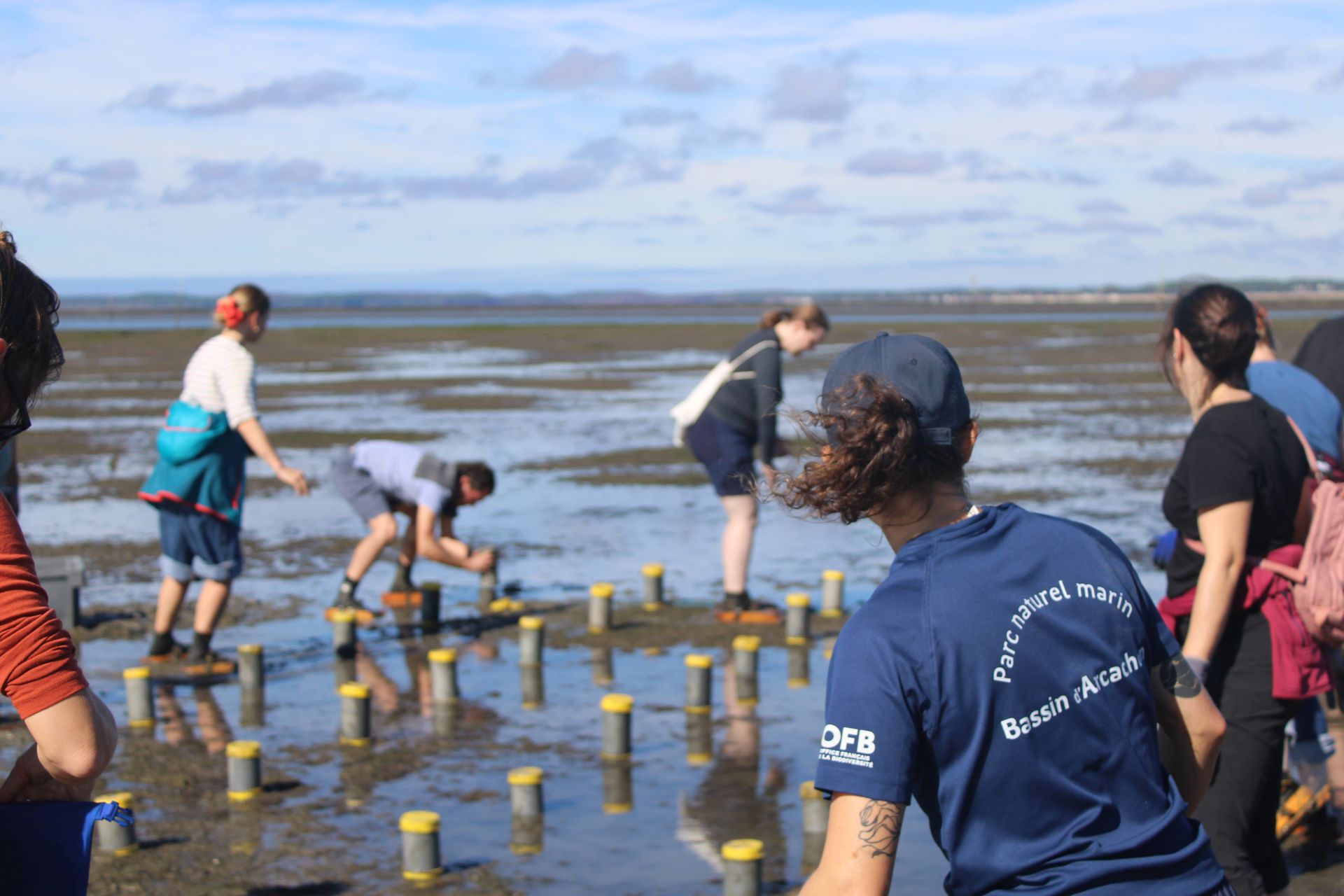
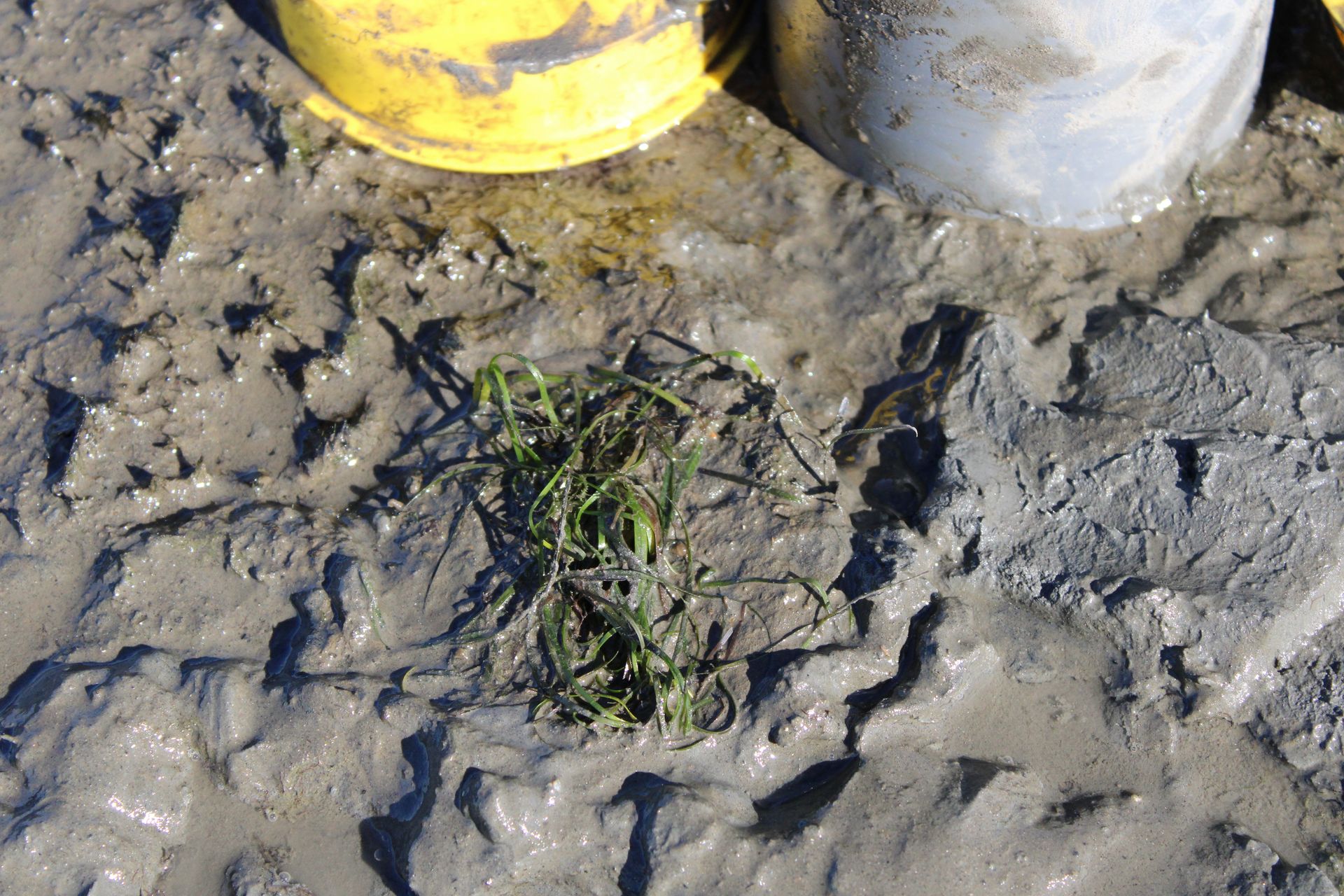
Beyond the practical lessons, the visit highlighted the rich biodiversity of the area and the expertise of the OFB team, working at one of Europe's leading seagrass research and restoration sites. Seeing restoration activities first-hand offered partners a valuable opportunity to connect scientific knowledge with the realities of implementation across different ecological contexts.
"Hosting the REBORN partners in the Bassin d’Arcachon was a real pleasure and a great source of inspiration. The conference day gave us a precious opportunity to share experiences and exchange different visions of seagrass restoration. Learning from colleagues across Europe reminded me how much stronger we are when we work together, and I’m very grateful to have welcomed them here.”
- Florine Verhaeghe, OFB
We were also pleased to welcome Camille Buonanno from Euradio, who interviewed several partners about their work and the REBORN initiative, helping bring the project’s restoration efforts to a wider audience.
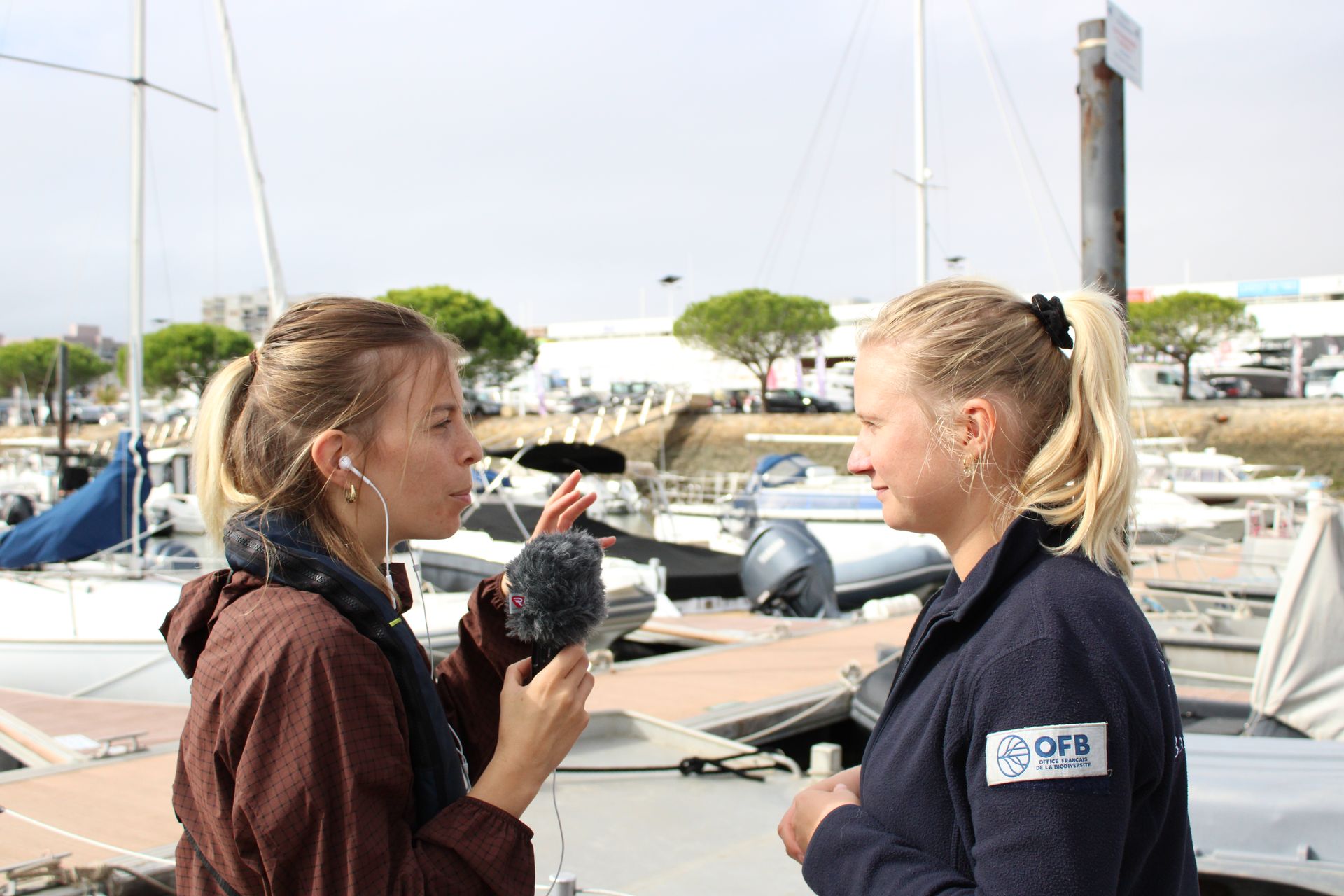
After an afternoon well-spent translating our meeting room discussions into real-world transplanting activities, the consortium made their way back across the bay, spotting different bird species and local watersports activities. This afternoon of practical action was a fantastic way to bond, work together, and contribute to the brilliant work being carried out in the area.
To conclude our time together, we came together for a delicious French meal in a local restaurant. As the sun set on a hugely enjoyable and rewarding partner meeting, partners shared stories and reflections, while looking ahead to our continued collaboration in the years to come.
Thank you to the REBORN partnership for an engaging and inspiring two days of work, to our Associated Organisations for their insights and guidance, for Eva Clymans for her participation and support, and to the OFB team for organisaing a memorable partner meeting.